
Why Do Some People Get Cataracts Earlier Than Others?
Have you ever wondered why your friend developed cataracts in her early 50s while your mother didn’t need surgery until her late 70s? This question puzzles many patients, especially when they notice vision changes at what seems like a younger age than expected. While cataracts are commonly associated with aging, the timing of their development varies significantly from person to person.
The truth is that early cataracts can result from a complex interaction of factors beyond just age. Keep reading to learn about the specific risk factors that contribute to early cataract development and what you can do to potentially slow their progression.
What are Cataracts and How Do They Develop?
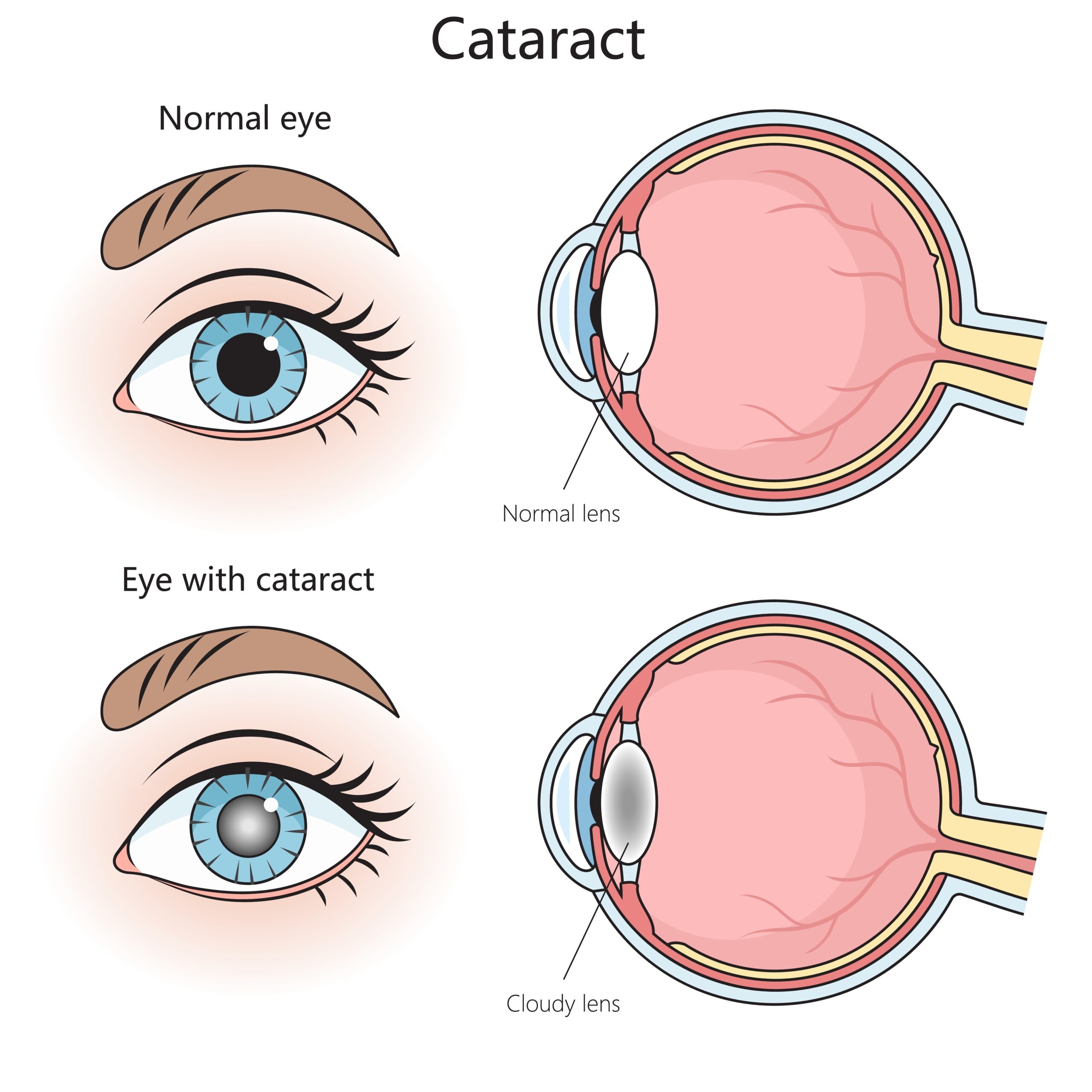
Cataracts form when proteins in your eye’s natural lens start to break down and clump together. This process typically begins around age 40, but you might not notice any vision changes for years or even decades.
The lens, which sits behind your pupil and helps focus light onto your retina, usually remains clear throughout childhood and early adulthood. However, as you age, these proteins may gradually lose their structure and begin to cluster, creating cloudy areas that interfere with vision.
The rate of this protein breakdown varies among individuals. Some people maintain relatively clear lenses well into their 80s, while others experience significant clouding by their 50s. The difference in timing comes down to how various risk factors either protect or damage the delicate proteins in your lens over the course of your life.
Early Cataract Risk Factors
Aside from aging, several factors can contribute to cataract development, including:
Environmental Factors
Long-term exposure to ultraviolet light from the sun is among the most significant environmental contributors to early cataracts, as UV rays can cause oxidative stress to lens proteins.
People who spend many hours outdoors without proper eye protection, such as construction workers, lifeguards, and outdoor sports enthusiasts, face a higher risk. Even if you wore sunglasses inconsistently during your younger years, that cumulative UV exposure continues to affect your eyes decades later.
Similarly, working with industrial chemicals or pesticides without adequate eye protection introduces toxins that harm lens proteins. Air pollution in heavily industrialized areas adds another layer of risk.
Patients who have undergone radiation therapy to their head, neck, or upper body also face an increased likelihood of developing early cataracts due to radiation damage to the lens.
Lifestyle Factors
Smoking directly damages lens proteins through the toxins in tobacco smoke. Smokers develop cataracts at younger ages and experience faster progression compared to non-smokers.
Similarly, excessive alcohol consumption contributes to oxidative stress in the lens. The connection is dose-dependent, meaning heavier drinking correlates with earlier cataract formation.
Quitting smoking, regardless of when you start, benefits your eye health along with your overall well-being.
Diabetes and High Blood Sugar
Diabetes stands out as one of the most common medical risk factors for early cataracts. When blood sugar levels remain elevated, excess glucose enters the lens and converts to sorbitol, a sugar alcohol that accumulates and causes the lens to swell.
This process damages lens proteins, leading to clouding. Even if you manage your diabetes well later in life, years of poorly controlled blood sugar in your 30s or 40s can set the stage for cataracts in your 50s.
Medications

Long-term use of corticosteroids is another significant medical risk factor. These medications, prescribed for conditions like rheumatoid arthritis, severe asthma, or autoimmune diseases, alter the metabolism of lens proteins.
The risk increases with higher doses and longer duration of use. If you’ve taken steroid medications for several years, mention this to your eye doctor at Complete EyeCare West during your comprehensive eye exams.
Previous Eye Surgeries and Conditions
Certain eye conditions and their treatments can accelerate cataract formation. If you’ve had surgery for glaucoma, you’re at higher risk for developing cataracts afterward.
Eye diseases such as retinitis pigmentosa or uveitis can also contribute to earlier lens clouding. Previous eye injuries, even those that seemed minor at the time, can trigger cataract development years later.
The trauma disrupts the normal structure of lens proteins, making them more vulnerable to breakdown.
Genetic and Family History Factors
Your genes play a significant role in determining when you’ll develop cataracts. If your parents or siblings developed cataracts at relatively young ages, you’re more likely to follow a similar pattern. This hereditary component affects how your lens proteins are structured and how resilient they are to damage over time.
Some genetic mutations lead to congenital cataracts, which are present at birth or develop during infancy. These are relatively rare but demonstrate the powerful influence genetics can have on lens health.
Can You Prevent Early Cataracts?
You cannot completely prevent cataracts, since the aging process eventually affects everyone’s lenses. However, you can potentially influence when they develop and how quickly they progress by addressing controllable risk factors:
Live a Healthy Lifestyle

Living a healthy lifestyle lays the foundation for reducing cataract risk. Managing chronic conditions like diabetes and high blood pressure protects not just your eyes but your entire body.
When blood sugar and blood pressure stay within healthy ranges, you reduce oxidative stress throughout your system, including in your lenses. Regular exercise and maintaining a healthy weight contribute to better metabolic health, which, in turn, benefits your eyes.
Nutrition also plays a supporting role in eye health. Eating plenty of fruits and vegetables provides antioxidants that help combat free radical damage. Leafy greens, nuts, and whole grains contain nutrients that support lens health.
While no specific food can prevent cataracts, a balanced diet rich in these foods may help slow their progression.
Take Safety Precautions
Protecting your eyes from injury with safety glasses during activities like using power tools or playing pickleball prevents traumatic cataracts. These preventable injuries can lead to lens damage that wouldn’t have occurred otherwise.
Attend Regular Eye Exams
Perhaps most valuable is scheduling regular comprehensive eye exams. Early detection allows your ophthalmologist at Complete EyeCare West to monitor your cataracts and discuss treatment timing. When cataracts are caught early, you have more control over when to address them surgically, rather than waiting until they severely impact your daily activities.
If you’re concerned about your risk for early cataracts or have noticed changes in your vision, schedule a comprehensive eye exam at Complete EyeCare West in Columbus, OH, today!