
What Conditions Do Pediatric Ophthalmologists Treat?
When your pediatrician suggests an eye exam, or you notice something concerning about your child’s eyes, you might wonder what makes care from a pediatric ophthalmologist different from that of a regular eye doctor. These specialists have advanced training to diagnose and treat eye conditions common in childhood, when vision is still developing, and when early intervention makes the biggest difference.
Pediatric ophthalmologists, such as Dr. Jeff Hutchison at Complete EyeCare West, possess specialized skills in examining young patients and identifying conditions that require prompt attention. Keep reading to learn about the most common childhood eye conditions these specialists treat.
Why Children Need Specialized Eye Care
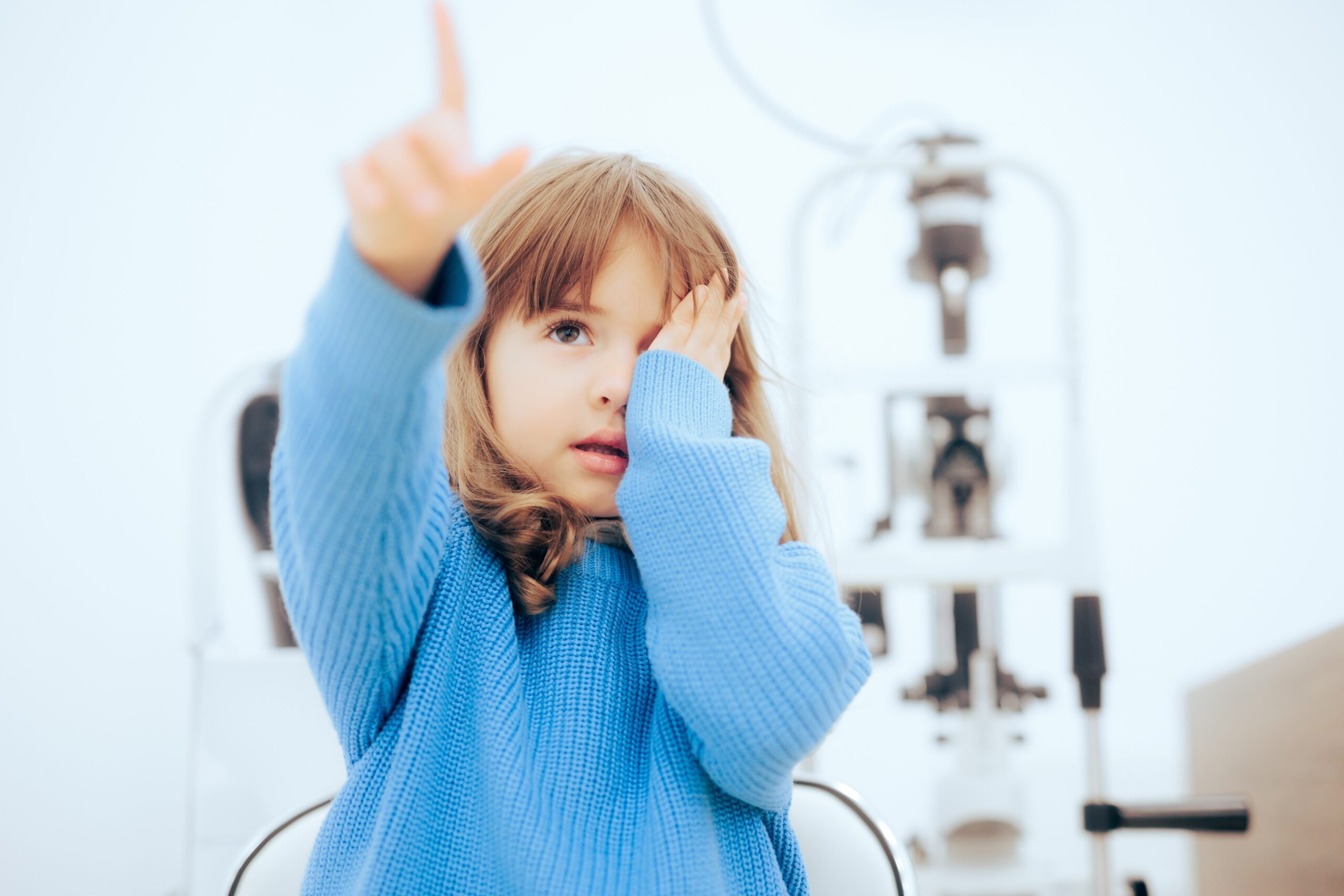
Children’s eyes require specialized care, as vision develops in the brain until about age nine. Eyes that don’t align properly or focus correctly can prevent this normal vision development and lead to issues with reading, learning, and motor skills.
All ophthalmologists receive training in treating children’s eye problems, but a pediatric ophthalmologist completes additional fellowship training specifically focused on examining children and managing their unique eye conditions. For example, Dr. Hutchison of Complete EyeCare West completed his fellowship in pediatric ophthalmology and strabismus at the University of Cincinnati and Cincinnati Children’s Hospital.
Another concern when treating children’s eyes is that they may not always be able to communicate when experiencing vision problems. Pediatric ophthalmologists know how to test vision in toddlers who can’t read an eye chart, observe subtle signs that may indicate vision problems in children, and assess focusing ability in infants. This expertise helps catch issues before they cause permanent vision loss.
Eye Conditions that Pediatric Ophthalmologists Treat
While most ophthalmologists can treat these childhood eye conditions, pediatric ophthalmologists offer specialized care for:
Refractive Errors

Refractive errors, such as nearsightedness, farsightedness, and astigmatism, cause blurry vision because the eye doesn’t focus light properly. These errors can often be corrected with glasses, but they may go unnoticed in younger children who are unable to communicate their vision problems.
Left untreated, refractive errors can lead to amblyopia, also known as “lazy eye.” When one eye sees more clearly than the other, the brain may begin to ignore the blurry image. Over time, the brain loses its ability to process visual information from that eye, even with corrective lenses.
Regular vision screening is essential because your child might never complain about blurry vision. A pediatric ophthalmologist can detect refractive errors and prescribe glasses to correct the problem before amblyopia or other conditions develop.
Amblyopia (Lazy Eye)
Amblyopia is a condition that develops when the brain doesn’t receive clear images from one eye, often due to strabismus, uncorrected refractive errors, droopy eyelids, or cataracts. Treatment involves correcting the underlying problem with glasses or surgery, then encouraging the brain to use the weaker eye.
This might include patching the stronger eye for certain hours each day or using dilating drops to temporarily blur vision in the stronger eye. Early detection is crucial, as amblyopia becomes increasingly challenging to treat as children age.
Strabismus (Crossed Eyes)
Strabismus, or misaligned eyes, affects about four out of 100 children. One eye may look straight ahead, while the other may turn inward, outward, upward, or downward. This condition requires prompt treatment because the brain may learn to ignore the crossed eye to avoid seeing double.
Without treatment, the ignored eye can develop amblyopia and even lose vision permanently. Treatment options include glasses, eye exercises, or surgery to realign the eye muscles. Dr. Hutchison performs eye muscle surgery when needed to restore proper alignment.
Blocked Tear Ducts
Approximately 20 percent of babies are born with a blocked tear duct, resulting in watery, irritated, or infected eyes with crusty discharge. Your pediatric ophthalmologist can teach you a massage technique to help open the tear duct.
Many blocked ducts open on their own during the first year. If the blockage persists, the doctor may use a small instrument to open the duct in a quick procedure.
Ptosis
Ptosis is a droopy eyelid that can block vision if it hangs very low. When the eyelid covers part of the pupil, it prevents normal vision development. Children with significant ptosis may require surgery to raise the eyelid, thereby preserving vision by allowing light to reach the eye normally.
Pediatric Cataracts
A cataract makes the normally clear lens inside the eye appear cloudy. While cataracts primarily affect older adults, some children are born with them or develop them as a result of an injury.
Most children with cataracts require surgery to remove the cloudy lens and regain clear vision. Pediatric cataracts require prompt treatment during the critical developmental years to prevent permanent vision loss.
Conjunctivitis (Pink Eye)
Conjunctivitis is irritation or infection of the white part of the eye caused by viruses, bacteria, or allergies. Your child’s eyes may appear red and watery, feel itchy, or have sticky discharge.
Viral and bacterial pink eye spread easily, so keep your child home from school until symptoms improve. Viral pink eye usually resolves on its own within a week, while bacterial pink eye may require antibiotic eye drops.
Cellulitis
Cellulitis is a serious infection of the eyelid or eye socket. Warning signs include painful swelling or bulging of the eye, fever, blurry vision, and problems moving the eye.
This infection requires immediate medical attention because it can spread rapidly. Contact your pediatric ophthalmologist or seek emergency care right away if you notice these symptoms.
Styes and Chalazions
A stye is a red, sore lump at the edge of the eyelid caused by bacterial infection. A chalazion is a swollen lump caused by a clogged oil gland without infection.
Both typically respond to warm compresses applied several times daily for 10-15 minutes. Styes may also require antibiotic treatment, and some chalazions may need surgical drainage if they don’t resolve.
When to See a Pediatric Ophthalmologist
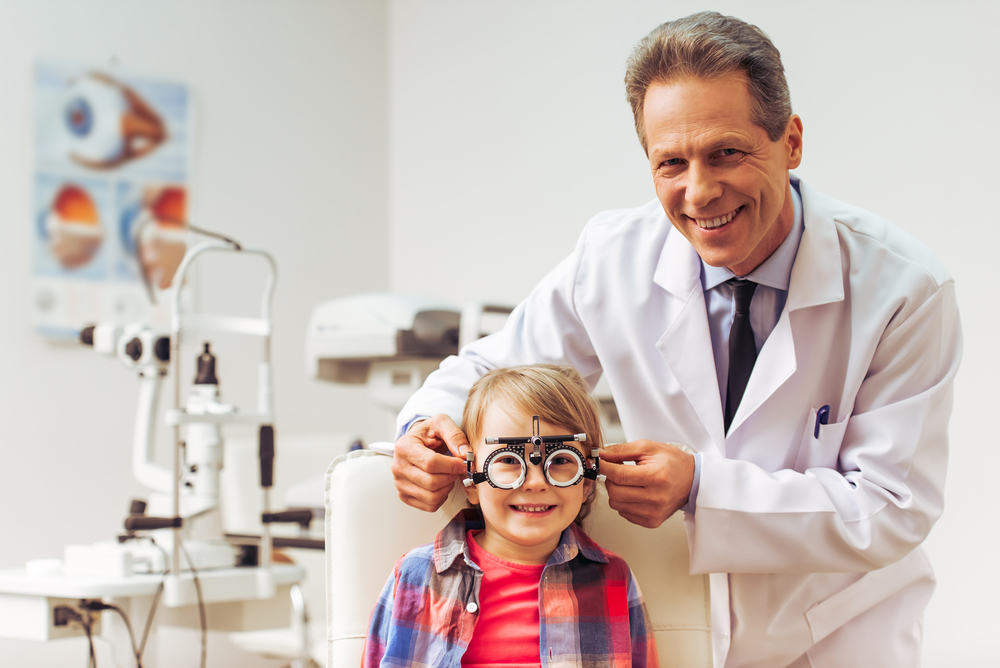
Regular vision screenings help catch problems early, but certain signs warrant a prompt visit. Schedule an appointment if your child’s eyes don’t focus together, one eye drifts or turns, they squint frequently, or complain of headaches or eye pain.
Other concerning signs include excessive tearing, sensitivity to light, a white reflection in the pupil in photos, or red and swollen eyes. At Complete EyeCare West, Dr. Hutchison provides comprehensive eye examinations for children of all ages. His training in pediatric ophthalmology, combined with over 20 years of experience, enables him to identify problems that other providers might miss.
Give your child the gift of healthy vision that supports their learning, development, and quality of life when you schedule a comprehensive pediatric eye examination with Dr. Jeff Hutchison at Complete EyeCare West in Columbus, OH, today.