
What Is Considered Dangerously High Eye Pressure?
Unlike a headache or a sore joint, elevated pressure inside the eye rarely produces any noticeable symptoms. Most people only discover they have high eye pressure during a routine eye exam, sometimes after damage has already started.
This is one of the reasons eye pressure gets so much attention during your annual visits to the eye doctor. Even a small, sustained increase can affect your vision over time.
Keep reading to learn what normal eye pressure looks like, what levels are considered dangerous, and how the team at Complete EyeCare West can help protect your eyesight.
What is Eye Pressure?
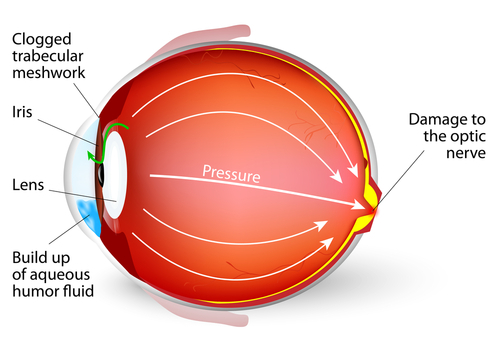
Eye pressure, clinically known as intraocular pressure (IOP), refers to the force exerted by fluid inside your eye. A clear liquid called aqueous humor fills the front chamber of the eye, nourishing structures like the lens, iris, and cornea.
Your body constantly produces new aqueous humor while an equal amount drains out through a small opening called the drainage angle, located where the iris meets the white of the eye. When production and drainage stay balanced, your IOP remains stable.
Problems begin when the fluid can no longer drain efficiently or when the eye produces too much of it. That imbalance causes pressure to build, and over time, that added force can stress the delicate structures inside the eye.
What is a Normal Eye Pressure Range?
Eye care professionals measure IOP in millimeters of mercury (mmHg), the same unit used for blood pressure. A healthy reading typically falls between 10 and 21 mmHg. Anything above 21 mmHg is generally considered higher than normal.
One reading alone does not tell the full story, though. Eye pressure naturally fluctuates throughout the day, and even from week to week. A single measurement during an office visit provides a useful snapshot, but your eye doctor may recommend additional checks at different times of day to get a more complete picture.
According to the American Academy of Ophthalmology, having pressure in the normal range does not completely eliminate the risk of glaucoma. Some people develop optic nerve damage even with IOP readings that appear normal.
Others may carry higher-than-average pressure without ever showing signs. This is why regular comprehensive eye exams matter so much.
When Does High Eye Pressure Become Dangerous?
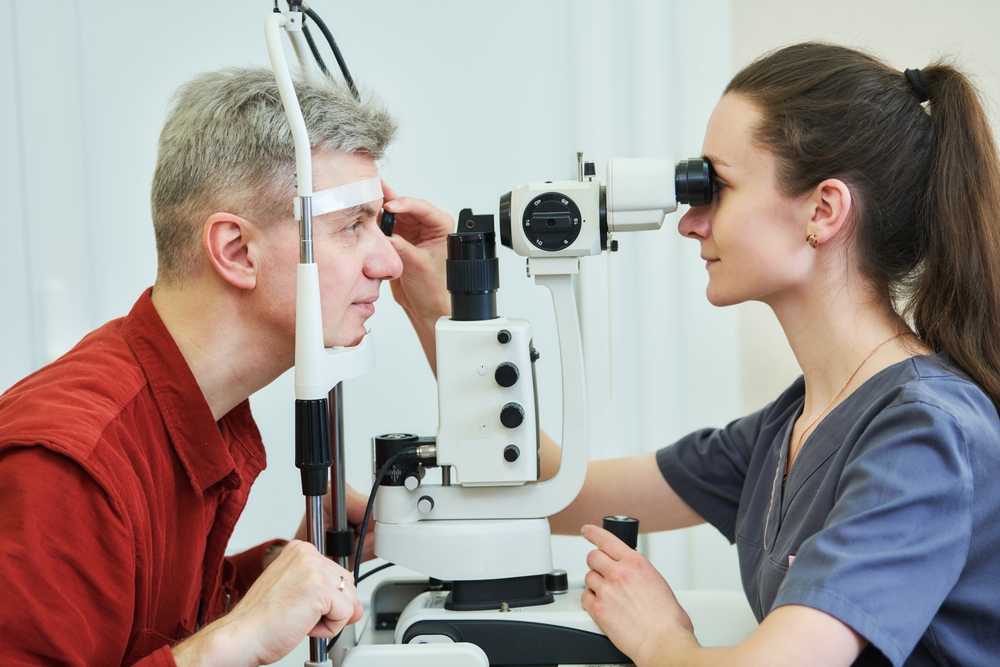
When IOP exceeds 21 mmHg, and no optic nerve damage is present, the condition is called ocular hypertension. A person with ocular hypertension is often referred to as a “glaucoma suspect” because the elevated pressure increases the likelihood of developing glaucoma in the future.
There is no single number that guarantees vision loss, and no lower threshold that makes someone completely safe. The Glaucoma Research Foundation explains that dangerously high eye pressure varies from person to person. What is tolerable for one individual may cause damage in another.
That said, the risk does increase as the numbers climb. For example, patients with IOP above 30 mmHg face a glaucoma risk 40 times higher than those with IOP below 15 mmHg. This statistic makes a strong case for consistent monitoring, especially if you have other risk factors, such as a family history of the condition.
A strong family history, a suspicious-looking optic nerve, or other clinical findings can place someone in the glaucoma suspect category even if their pressure readings appear borderline. Your eye doctor considers all of these factors together when evaluating your personal risk.
How Does High Eye Pressure Lead to Glaucoma?
Glaucoma is a group of eye conditions that damage the optic nerve, the structure responsible for sending visual information from your eye to your brain. In most cases, this damage is directly linked to sustained elevated IOP.
When pressure inside the eye stays too high for too long, it pushes against the optic nerve fibers at the back of the eye. Peripheral (side) vision is typically the first to go.
Because these changes happen gradually, many people do not notice the loss until a significant amount of vision has already disappeared. Over time, untreated glaucoma can affect central vision as well, eventually leading to blindness.
Any vision lost to glaucoma cannot be restored. The damage to the optic nerve is permanent. This is why early detection matters so much: catching the condition before major damage occurs gives you the best chance of preserving your sight.
How is High Eye Pressure Detected and Treated?
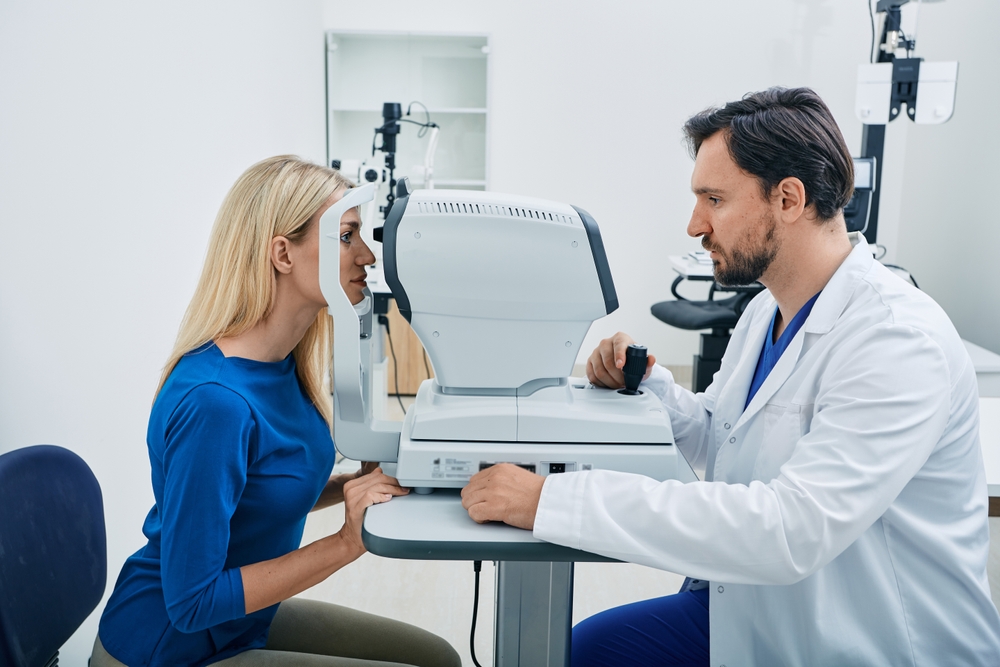
Because elevated IOP rarely causes symptoms on its own, the most reliable way to detect it is through regular comprehensive eye exams. During your visit, your eye doctor will perform a test called tonometry to measure the pressure inside your eyes.
Several types of tonometry exist. The Goldmann applanation test is widely considered the gold standard. It uses numbing drops and gently touches the cornea to measure the force needed to flatten a small area.
If your eye pressure is elevated, your eye doctor at Complete EyeCare West will also use advanced imaging technology to examine the optic nerve and other internal structures of the eye. These baseline images allow your care team to track any changes over time and catch early signs of glaucoma progression.
Treatment for high eye pressure depends on how elevated it is and what is causing it. Medicated eye drops that reduce fluid production or improve drainage are often the first line of defense.
Laser procedures can clear a blocked drainage angle, and surgical options are available for more advanced cases. The goal of every treatment approach is to lower IOP to a level that is safe for your eyes.
Schedule Your Eye Exam Today
Dangerously high eye pressure does not announce itself with pain or obvious warning signs. The only reliable way to know where your numbers stand is through professional testing. The good news is that when caught early, glaucoma can be managed effectively, and most people who receive timely treatment will not lose their sight.
If it has been a while since your last eye exam, or if you have risk factors like elevated IOP or a family history of glaucoma, now is the time to take action. Schedule a comprehensive eye exam at Complete EyeCare West in Columbus, OH, to have your eye pressure checked and keep your vision on track.